
How to Choose the Right Water Filtration System for Your Home
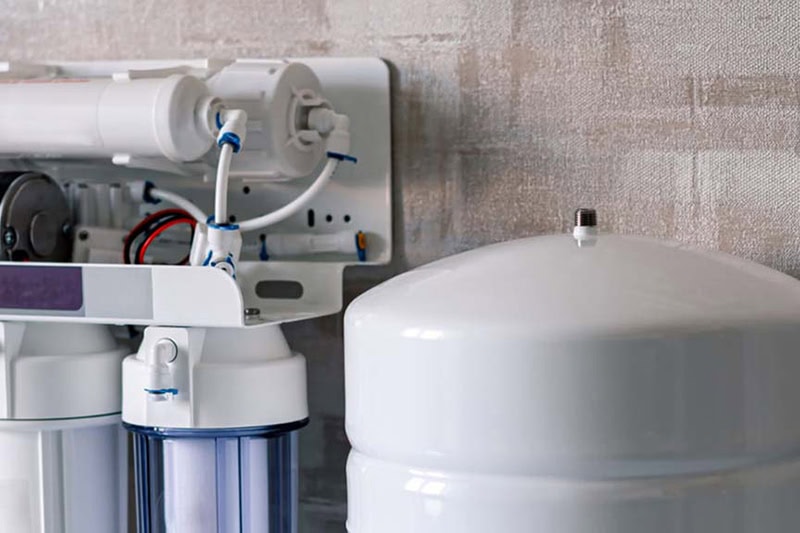
Choosing the right water filtration system can protect your family’s health, improve taste and smell, and even extend the life of your plumbing and appliances.
But with so many options on the market, how do you know which system is right for your home?
Western’s guide will walk you through everything you need to know to make an informed choice—especially in the context of the greater Boise area’s water quality.
How Is the Water Quality in the Boise Area?
Before shopping for a filtration system, it’s important to understand your local water—what’s in it, where it comes from, and what potential concerns might exist.
Boise’s water is considered generally good quality and meets federal safety standards, but independent water quality assessments have identified a few potential issues worth knowing: trace amounts of PFAS (“forever chemicals”), naturally occurring arsenic, carcinogenic hexavalent chromium, and disinfection byproducts from chlorine treatment.
These contaminants vary in concentration and are often below enforceable limits, but they’re important considerations when selecting water filtration.
While city water is regulated and regularly monitored, private well owners are responsible for testing their own water, as Idaho does not automatically regulate private wells. Nitrates, bacteria, and metals can be a concern—especially in rural parts of the Treasure Valley.
In addition, many residents we provide water treatment services to have noted that Boise’s tap water can have a noticeable chlorine taste or odor, and the region’s groundwater is often on the harder side (higher mineral content).
Step-by-Step Guide to Choosing the Right Water Filtration
1. Start With a Water Test
You can’t choose the right filtration system if you don’t know what’s in your water.
Public water users can request the city’s recent Consumer Confidence Report (CCR) or look up their local tap water quality report. Those with a well will have to have a private lab test done that includes bacteria, nitrates, metals (e.g., lead, arsenic, etc.), and chemical contaminants like PFAS.
While at-home test kits can give you a quick baseline, a certified lab test gives the most reliable results. Contact Western for reliable water quality testing.
Once you know which contaminants—if any—are present above recommended limits, you can target them with the appropriate water filtration system.
2. Know the Main Types of Filtration Systems
Here’s an overview of the most common home water filtration options and what they’re best suited for:
- Point-of-Use Water Filters: These target a single faucet or water line (often the kitchen sink) and are ideal for drinking/cooking water.
- Reverse Osmosis (RO) Water Filters: A powerful, multi-stage filtration that removes dissolved solids, heavy metals, fluoride, and many chemical contaminants.
- Whole-House (Point-of-Entry) Water Filters: These systems treat water as it enters your home, so every tap, including showers and laundry, is filtered.
- Water Softeners and Conditioners: Hard water, which is common in the Boise region, doesn’t always require filtration, but it does benefit from softening to reduce mineral buildup, extend appliance life, and improve cleaning performance.
- UV Water Filters and Other Options: If your water contains microbial contaminants (which is more likely with private wells), an ultraviolet (UV) system can disinfect bacteria and viruses without the use of chemicals. Activated carbon systems can reduce chlorine, odor, and many chemical contaminants, while other specialty filters address iron, manganese, or hydrogen sulfide.
3. Match the System to Your Needs
Once you understand your water quality and the available technologies, think about your specific goals:
- Taste and Odor Improvement: A quality carbon filter or pitcher can make tap water more palatable.
- Comprehensive Contaminant Removal: For arsenic, heavy metals, or PFAS concerns, a reverse osmosis system is likely best.
- Whole-Home Comfort: If you want filtered showers and laundry water too, invest in a whole-house filter.
- Hardness Issues: Add a water softener or conditioner to protect pipes and appliances.
Your budget also matters—systems range from basic pitchers under $100 to fully installed whole-home solutions costing several thousand dollars. Regular maintenance—like filter changes—is a recurring cost to factor in.
4. Look for Certified Performance
When possible, choose systems that carry NSF/ANSI certifications. These verify that a filter reduces the contaminants it claims to remove. This matters especially for health-related claims like lead or PFAS reduction.
5. Maintain Your System Properly
A filter that’s not maintained can become less effective or even a source of contamination.
Follow your water filtration system’s manufacturer guidance on:
- Filter replacement frequency
- Sanitization procedures
- Warranty and service support
Contact the Water Filtration Experts
Choosing the right water filtration system for your Boise, home doesn’t have to be overwhelming. Contact Western—call 208-319-1736 or Book Now for help sorting your water quality needs. We’ll start with a clear understanding of what’s really in your water, then match your concerns—whether that’s taste, safety, or whole-house comfort—to the right technology.
With the right solution in place, you’ll enjoy cleaner, safer water from every tap—and the peace of mind that comes with it.
Need HVAC Service?
Contact the experts at Western Heating & Air Conditioning.
Call us at 208-319-1736!